The ultimate FAQ covering everything about dog beds. Over 300 questions answered with links to our detailed guides.
What is the best dog bed?
+
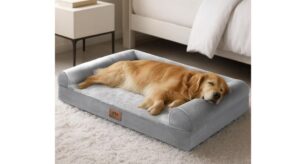
The best dog bed depends on your dog's needs. For most dogs, we recommend orthopaedic memory foam beds with removable, washable covers. Big Barker is our top pick for large dogs, PetFusion for medium dogs.
What type of dog bed is best for my dog?
+
Match the bed to your dog's needs: orthopaedic for joint issues, chew proof for destroyers, calming for anxious dogs, cooling for hot dogs, heated for cold dogs, elevated for outdoor use.
Are orthopaedic dog beds worth it?
+
Yes, especially for large breeds, seniors, and dogs with joint issues. Quality orthopaedic beds provide genuine support that helps manage arthritis and hip dysplasia.
What is the difference between orthopaedic and memory foam?
+
Memory foam is a type of orthopaedic foam. Orthopaedic beds may use memory foam, high-density foam, or egg-crate foam. Memory foam moulds to body shape while other foams provide firm support.
Do calming dog beds actually work?
+
Yes, for many dogs. Raised edges provide security, round shapes encourage curling, and soft materials comfort anxious dogs. Best for mild to moderate anxiety.
What is a human dog bed?
+
An oversized dog bed designed for humans, often shared with pets. Brands like Plufl popularised the trend. They feature cosy, bolstered designs in human sizes.
Are elevated dog beds good?
+
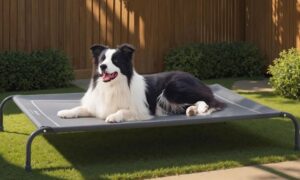
Excellent for airflow, cooling, outdoor use, and dogs who overheat. They keep dogs off hot or cold floors and are nearly indestructible.
Should I get a heated dog bed?
+
Beneficial for seniors, arthritic dogs, thin-coated breeds, small dogs, and cold climates. Modern heated beds have thermostats for safety.
What makes a good quality dog bed?
+
Quality indicators include thick supportive foam, durable cover materials, removable washable covers, sturdy construction, and warranties. Price often reflects quality.
Should I buy a cheap or expensive dog bed?
+
Depends on your dog. Puppies and chewers may destroy expensive beds. Seniors and dogs with health issues benefit from premium support. Consider cost per year of use.
What filling is best for dog beds?
+
Memory foam offers best support. High-density foam is durable. Polyester fibrefill is affordable but flattens. Avoid beds with loose stuffing for chewers.
Are bolstered dog beds better?
+
Bolsters provide head rests and security. Many dogs prefer them. However, high bolsters can be difficult for seniors or dogs with mobility issues to climb over.
What shape dog bed is best?
+
Rectangular for sprawlers, round/oval for curlers, bolstered for dogs who like head rests, flat for dogs who move around a lot during sleep.
Do dogs prefer soft or firm beds?
+
Most dogs prefer medium firmness - supportive but comfortable. Very soft beds lack support. Very firm beds are uncomfortable. Orthopaedic foam provides the best balance.
What colour dog bed should I get?
+
Choose colours that hide dirt and hair. Dark colours hide dirt but show light hair. Match to your dog's coat colour or choose patterns that camouflage both.
Are round or rectangular beds better?
+
Round beds suit dogs who curl up. Rectangular beds suit sprawlers and larger dogs. Many dogs use both positions, so consider their primary sleeping style.
Should I get a bed with sides?
+
Sides (bolsters) provide security, head rests, and warmth retention. Most dogs like them. Avoid high sides for seniors or dogs with mobility issues.
What is the most durable dog bed?
+
Elevated beds with aluminium frames are most durable. For traditional beds, Big Barker and K9 Ballistics offer exceptional durability with long warranties.
How thick should a dog bed be?
+
Minimum 3-4 inches for adequate support. Large dogs benefit from 6-7 inches. Senior dogs and those with joint issues need thicker foam for proper cushioning.
Do dogs need different beds in summer and winter?
+
Some dogs benefit from seasonal beds. Cooling beds or elevated beds for summer, heated or insulated beds for winter. Many owners rotate beds seasonally.
What is the difference between dog beds and dog mats?
+
Beds have padding and structure. Mats are thin, portable, and provide minimal cushioning. Mats work for travel or temporary use but beds provide better support.
Are nesting beds good for dogs?
+
Nesting beds with deep sides are excellent for dogs who like to burrow and feel secure. Popular with small breeds and anxious dogs.
Should I get a waterproof dog bed?
+
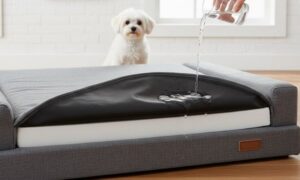
Recommended for puppies, seniors, incontinent dogs, heavy droolers, and outdoor use. Waterproof protection saves beds from permanent damage.
What is the best bed for a dog who moves around a lot?
+
Flat beds without high bolsters allow easy repositioning. Larger sizes give room to move. Memory foam accommodates different positions well.
Are self-warming dog beds effective?
+
Self-warming beds reflect body heat back to the dog. They provide gentle warmth without electricity. Effective for mild cold but not as warm as heated beds.
What size dog bed do I need?
+
Measure your dog from nose to base of tail, add 6-12 inches. This allows room to stretch and change positions. Consider sleeping style too.
How do I measure my dog for a bed?
+
Measure from nose to base of tail while dog is lying stretched out. Add 6-12 inches. For bolstered beds, remember bolsters reduce sleeping space.
What size bed for a Labrador?
+
Large to Extra Large, 40-48 inches. Labs sprawl and need room. They overheat easily so consider cooling features.
What size bed for a German Shepherd?
+
Large to Extra Large, 42-50 inches. Long bodies need adequate length. Orthopaedic support important for hip-prone breed.
What size bed for a Golden Retriever?
+
Large to Extra Large, 40-48 inches. Enjoy bolstered beds for chin resting. Washable covers essential for heavy shedders.
What size bed for a French Bulldog?
+
Medium, 26-30 inches. Wide bodies need space despite small stature. Low sides better for flat-faced breathing.
What size bed for a Great Dane?
+
Giant, 54 inches or larger. Tallest breed needs maximum length. Joint support critical due to size.
What size bed for a Chihuahua?
+
Small, 18-22 inches. Prefer cosy enclosed beds. Often burrow under blankets.
What size bed for a Beagle?
+
Medium, 28-32 inches. Like to curl up but also stretch. Versatile sizing needed.
What size bed for a Boxer?
+
Large to Extra Large, 40-48 inches. Muscular and active. Thin coat may need warmth in winter.
What size bed for a Pug?
+
Medium, 24-28 inches. Flat faced, needs airflow. Can overheat easily.
What size bed for a Husky?
+
Large, 36-44 inches. Thick coat means they overheat. Cooling beds recommended.
What size bed for a Rottweiler?
+
Extra Large to Giant, 48-54 inches. Heavy and powerful. Need thick supportive foam.
What size bed for a Dachshund?
+
Small to Medium, 22-28 inches. Long body needs extra length. Low entry essential for back health.
What size bed for a Border Collie?
+
Medium to Large, 32-38 inches. Active breed that stretches out. Need room to move.
What size bed for a Cocker Spaniel?
+
Medium, 28-32 inches. May overheat with thick coat. Moderate bolsters work well.
What size bed for a Pitbull?
+
Medium to Large, 30-36 inches. Muscular build needs durable beds. Often like to curl up.
What size bed for a Shih Tzu?
+
Small to Medium, 20-26 inches. Flat faced needs airflow. May prefer larger for sprawling.
What size bed for a Doberman?
+
Extra Large, 46-52 inches. Tall and lean, need length. Thin coat means they feel cold.
What size bed for a Mastiff?
+
Giant, 54-60+ inches. Heaviest breed needs thickest foam. Will flatten standard beds.
Should I size up or down?
+
When in doubt, size up. Dogs appreciate extra room. Too small causes discomfort.
Do bolsters reduce sleeping space?
+
Yes. A 40 inch bed with 4 inch bolsters has roughly 32 inches of sleeping space. Account for this when sizing.
What size bed for a puppy?
+
Size for adult dimensions or expect to replace as they grow. Some owners buy appropriately sized beds at each stage.
Does sleeping style affect size needed?
+
Yes. Sprawlers need full length plus extra inches. Curlers can use smaller beds. Side sleepers need moderate space.
What if my dog is between sizes?
+
Choose the larger size. Extra space is comfortable. Insufficient space causes discomfort and poor sleep.
What is the best bed for a large dog?
+
Big Barker with 7-inch orthopaedic foam. Will not flatten, 10-year warranty. Specifically designed for large breed joint support.
What is the best bed for a small dog?
+
Best Friends by Sheri donut beds provide security and warmth. Look for easy entry, soft materials, and cosy designs.
What is the best bed for a medium dog?
+
PetFusion Ultimate offers excellent value with quality memory foam. Furhaven provides budget options.
What is the best bed for a senior dog?
+
Orthopaedic support with easy entry and warmth. Consider waterproof protection. Big Barker or PetFusion recommended.
What is the best bed for a puppy?
+
Affordable, washable beds they might destroy. MidWest and Amazon Basics offer good budget options. Waterproof helps with accidents.
What bed is best for a dog who chews?
+
K9 Ballistics with 120-day chew proof guarantee. For extreme chewers, elevated beds with no soft parts.
What bed is best for a dog with arthritis?
+
Thick orthopaedic memory foam, 6-7 inches minimum. Big Barker specifically designed for joint support. Heated beds soothe stiff joints.
What bed is best for a dog with hip dysplasia?
+
Memory foam moulds to body and reduces hip pressure. Low entry important. Big Barker and PetFusion recommended.
What bed is best for a dog with anxiety?
+
Calming donut beds with raised edges provide security. The enclosed feeling reduces anxiety. Best Friends by Sheri is popular.
What bed is best for a dog who overheats?
+
Elevated beds for airflow or cooling gel beds. Avoid thick plush beds. Consider cooling mats as supplements.
What bed is best for a dog who gets cold?
+
Heated beds with thermostats or self-warming beds. Bolstered beds retain heat. Add blankets for extra warmth.
What bed is best for a dog with allergies?
+
Hypoallergenic materials, easy to wash frequently, waterproof to prevent allergen buildup. Wash covers weekly.
What bed is best for a heavy dog?
+
Thick high-density foam that will not flatten. Big Barker guaranteed not to flatten for 10 years. Avoid thin foam.
What bed is best for a thin dog?
+
Extra padding to cushion bony prominences. Soft top layers. Consider heated beds as thin dogs feel cold more.
What bed is best for a long dog?
+
Measure carefully and add extra length. Rectangular beds better than round for long breeds like Dachshunds and Greyhounds.
What bed is best for a dog with incontinence?
+
Waterproof beds or waterproof liners essential. Easy wash covers for frequent cleaning. PetFusion and Big Barker offer waterproof options.
What bed is best for an active dog?
+
Durable materials that withstand rough use. Easy to clean. Elevated beds are nearly indestructible.
What bed is best for a lazy dog?
+
Premium comfort with thick foam. Bolstered designs for lounging. Couch style beds popular with loungers.
What bed is best for multiple dogs?
+
Extra large bed if sharing, or separate beds if any resource guarding. Giant beds accommodate two medium dogs.
What bed is best for a rescue dog?
+
Start affordable in case of destruction. Calming beds help anxious rescues. Upgrade once settled.
What bed is best for a pregnant dog?
+
Large, washable, waterproof for whelping. Easy to clean. Replace after birth with fresh bedding.
What bed is best for a dog recovering from surgery?
+
Orthopaedic support, low entry, easy to clean. Memory foam helps recovery comfort. Waterproof in case of accidents.
What bed is best for a blind dog?
+
Consistent location, bolstered edges help orientation, soft materials for safety. Avoid moving the bed.
What bed is best for a deaf dog?
+
Standard beds work well. Vibration-sensitive dogs may prefer raised beds away from floor vibrations.
What bed is best for a three-legged dog?
+
Orthopaedic support for remaining limbs, low entry for easy access, stable surface for balance.
How do I clean a dog bed?
+
Remove the cover and machine wash on warm with pet-safe detergent. Add white vinegar to the rinse cycle for odour removal. For foam inserts, spot clean or sprinkle with baking soda and vacuum. Always dry completely.
How often should I wash my dog's bed?
+
Wash covers every 1 to 2 weeks. Deep clean the entire bed monthly. Wash more frequently for dogs with allergies, skin conditions, or who get very dirty.
How do I stop my dog's bed from smelling?
+
Wash regularly, use baking soda between washes, and ensure complete drying. Enzyme cleaners break down odour-causing bacteria. Sunlight naturally freshens beds. Address any underlying health issues causing excess odour.
Can I put a dog bed in the washing machine?
+
Most bed covers are machine washable. Check the label first. Use warm water (not hot) and pet-safe detergent. Never put foam inserts in the washing machine as they can be damaged.
How do I clean dog bed foam?
+
Spot clean with mild detergent and water, or sprinkle with baking soda and vacuum after 15 to 30 minutes. Never soak foam as it is difficult to dry and can grow mould. For urine accidents, use enzyme cleaner applied lightly.
When should I replace my dog's bed?
+
Replace when foam flattens and loses support, odours persist despite cleaning, the cover is damaged beyond repair, or the bed no longer meets your dog's needs. Budget beds last 1 to 2 years; quality beds can last 5 to 10 years.
How do I remove dog urine from a bed?
+
Use enzyme cleaner immediately. Saturate the area with enzyme cleaner, let sit, then wash. For foam that has absorbed urine deeply, replacement may be necessary.
Can I use bleach on a dog bed?
+
Not recommended. Bleach can damage fabrics, leave harmful residue, and cause discolouration. Use enzyme cleaners instead.
How do I dry a dog bed?
+
Tumble dry low for covers. Air dry foam completely - this can take 24 to 48 hours. Never use high heat on foam.
Can I use Febreze on a dog bed?
+
Not recommended. Masks odours rather than eliminating them. May irritate dogs. Use enzyme cleaners instead.
How do I remove dog hair from a bed?
+
Lint roller, rubber gloves, vacuum with upholstery attachment, or damp cloth before washing.
What detergent is safe for dog beds?
+
Unscented, pet-safe detergents. Avoid strong fragrances that irritate dogs. Baby detergent also works well.
How do I sanitise a dog bed?
+
Hot wash for covers, enzyme cleaners for deep cleaning, sunlight for natural sanitising. Steam cleaning also works.
Can I steam clean a dog bed?
+
Yes, steam kills bacteria and sanitises. Good for beds that cannot be machine washed. Ensure complete drying after.
How do I remove fleas from a dog bed?
+
Hot wash (60°C minimum), vacuum thoroughly, treat the dog, repeat washing. May need to dispose of heavily infested beds.
How do I remove mould from a dog bed?
+
Sunlight, vinegar solution, thorough drying. Heavily moulded beds should be replaced as spores persist.
How long do dog beds last?
+
Budget beds 1 to 2 years, mid-range 3 to 5 years, premium 5 to 10+ years. Depends on quality, use, and maintenance.
Can I repair a dog bed?
+
Minor repairs possible - patch holes, replace zips. Flattened foam cannot be repaired. Major damage means replacement.
How do I fluff a flat dog bed?
+
Shake and knead fibrefill beds. Memory foam cannot be refluffed once compressed. Consider replacement.
Should I vacuum my dog's bed?
+
Yes, regularly between washes. Removes hair, dirt, dust mites, and allergens.
How do I clean a memory foam dog bed?
+
Cover in washing machine, foam spot clean only. Baking soda and vacuum for odours. Never soak memory foam.
How do I clean an elevated dog bed?
+
Wipe frame with damp cloth. Hose down mesh fabric. Air dry quickly. Very easy to maintain.
How do I clean a heated dog bed?
+
Follow manufacturer instructions. Remove heating element if possible. Spot clean, never submerge electrical components.
Can I put a dog bed in the dryer?
+
Covers yes on low heat. Check label first. Never put foam in dryer - it will be damaged.
How do I store a dog bed?
+
Clean and dry completely first. Store in dry location. Avoid plastic bags that trap moisture. Vacuum sealed bags work well.
Can I buy replacement covers?
+
Yes, many brands sell them. Big Barker, FurHaven, PetFusion, Casper all offer replacement covers. Extends bed life significantly.
Are replacement covers worth it?
+
Yes, much cheaper than replacing entire bed. A £50 cover extends a £300 bed's life by years.
Should I use a blanket on my dog's bed?
+
Blankets add warmth, familiar scent, and protect bed underneath. Easier to wash than entire beds. Most dogs enjoy them.
What is a dog cooling mat?
+
Pressure-activated gel mat that absorbs body heat without electricity. Provides cool surface in hot weather. Recharges in 15 to 20 minutes.
Do I need a waterproof cover?
+
Recommended for puppies, seniors, incontinent dogs, and heavy droolers. Protects foam from permanent damage.
What blanket material is best for dogs?
+
Fleece for everyday, sherpa for warmth, waterproof backing for protection. Avoid loose weaves dogs can chew apart.
Should I get multiple covers?
+
Yes, allows rotation while washing. Always have a clean cover ready.
Can I use human blankets for dogs?
+
Yes, but dog-specific blankets are sized better and often more durable. Avoid weighted blankets.
Do dogs need pillows?
+
Not necessary. Most dogs find bolstered beds sufficient for head support. Some dogs enjoy pillows, others ignore them.
What is a dog bed liner?
+
Waterproof layer between foam and cover. Protects foam from accidents. Essential for incontinent dogs.
Are heated pads safe for dogs?
+
Pet-specific heated pads with thermostats are safe. Never use human heating pads - they get too hot.
Should I cover my dog's crate?
+
Covering can help anxious dogs feel secure. Use breathable fabric. Ensure adequate ventilation.
What are lick mats?
+
Silicone mats with texture for spreading treats. Provide mental stimulation and can redirect licking behaviour.
Do cooling mats really work?
+
Yes, they provide real cooling, typically 5 to 10 degrees below ambient temperature. Effective but need recharge time between uses.
Can I make my own dog bed cover?
+
Yes, with basic sewing skills. Measure carefully, use durable fabric, add zip for removal. Tutorials available online.
How often should I replace covers?
+
When worn, damaged, or stained beyond cleaning. Good covers last 2 to 3 years with regular washing.
Are orthopaedic toppers effective?
+
Can add comfort to existing beds but not as effective as integrated orthopaedic foam. Better to buy proper orthopaedic bed.
What is a bed bolster?
+
Raised edge around bed providing head rest and security. Many dogs prefer bolstered designs.
Should I get a bed with a removable cover?
+
Strongly recommended. Removable covers make cleaning much easier and extend bed life significantly.
Can dogs have heated blankets?
+
Pet-specific heated blankets with thermostats are safe. Never use human electric blankets - they overheat.
What are calming bed sprays?
+
Pheromone or lavender sprays claimed to reduce anxiety. Some dogs respond well, others show no effect. Worth trying for anxious dogs.
Do dogs need bed bumpers?
+
Some dogs appreciate raised edges for security. Not essential but popular with anxious dogs and burrowers.
Are waterproof mattress protectors good for dog beds?
+
Yes, human waterproof mattress protectors work well under dog bed covers for extra protection.
What is a snuggle sack?
+
Pouch-style bed dogs can burrow into. Popular with small breeds and dogs who like to hide.
Do dogs need different bedding seasonally?
+
Some benefit from cooling accessories in summer and warming options in winter. Consider seasonal rotation.
Why does my dog scratch their bed?
+
Instinctive nesting behaviour inherited from wild ancestors. Creates comfortable spot, marks territory, checks for threats. Completely normal.
Why does my dog lick their bed?
+
Comfort, self-soothing, taste (accumulated oils and scents), texture preference, or nesting. Usually normal unless excessive.
Why does my dog dig at their bed?
+
Nesting behaviour, creating comfortable depression, temperature regulation. Normal instinct. Destructive digging may indicate anxiety.
Why does my dog circle before lying down?
+
Instinct to pat down grass, check for threats, and find comfortable position. Ancient behaviour still present in domestic dogs.
Why does my dog not use their bed?
+
Wrong size, style, material, or location. Dog may be too hot. Try different options before assuming they do not want one.
Why does my dog sleep on the floor instead of their bed?
+
Often too warm on bed. Floor is cooler. May not like the bed style. Try cooling bed or different location.
Why does my dog chew their bed?
+
Boredom, anxiety, teething (puppies), or habit. Address underlying cause. Consider chew-proof beds.
Why does my dog drag their bed around?
+
Moving to preferred location, nesting behaviour, or playing. Normal unless destructive.
Why does my dog sleep against the wall?
+
Security - wall protects one side. Instinct to protect back while sleeping.
Why does my dog push blankets off their bed?
+
Too warm. Let them regulate their own temperature. Some dogs simply prefer minimal bedding.
Why does my dog knead their bed?
+
Nesting instinct similar to scratching. Creates comfortable spot. Sometimes called 'making biscuits.'
Why does my dog take toys to their bed?
+
Safe space to keep valued items. Guarding behaviour. Normal and usually harmless.
Why does my dog growl when on their bed?
+
Resource guarding. May need behavioural training. Do not force dog off bed if growling.
Why does my dog pant on their bed?
+
Usually too warm. Could indicate pain or anxiety. Try cooling bed or check for health issues.
Why does my dog sigh when lying in bed?
+
Contentment usually. Deep sigh when settling indicates relaxation. Happy sound.
Why does my dog hide under the bed?
+
Fear, anxiety, illness, or desire for quiet space. Normal for some dogs. Concerning if sudden change in behaviour.
Why does my dog sleep on my bed not theirs?
+
Your scent is comforting, your bed may be more comfortable, or they want closeness with you.
Why does my dog hump their bed?
+
Excitement, stress relief, habit, or hormonal. Can happen in both sexes. Usually harmless but can redirect if needed.
Why does my dog cry when going to bed?
+
Separation anxiety, discomfort, need to toilet, or learned behaviour for attention. Establish consistent bedtime routine.
Do dogs have favourite sleeping spots?
+
Yes, most dogs have preferred locations. They often rotate between spots seasonally or throughout the day.
Why does my dog flip their bed over?
+
Playing, too warm, uncomfortable, or trying to nest. May need different bed style.
Why does my dog bark at their bed?
+
Could be seeing/hearing something, playing, or confusion (senior dogs). Check for pests if persistent.
Do dogs dream in their beds?
+
Yes, dogs dream during REM sleep. Twitching, paddling feet, and soft noises are normal dream behaviour.
Why does my dog change beds during the night?
+
Temperature regulation mostly. May move to cooler or warmer spots. Having multiple beds accommodates this.
Why does my dog not like their new bed?
+
Unfamiliar smell, different feel, wrong location. Give time to adjust, add familiar scents, and place in preferred spot.
What is the best bed for a crate?
+
K9 Ballistics chew-proof or MidWest QuietTime. Need precise sizing, low profile, and durability.
What is the best dog bed for the car?
+
Kurgo Loft Hammock for back seats, PetSafe booster for small dogs, K&H for boot/SUV. Waterproof and restraint compatible important.
What is the best outdoor dog bed?
+
Coolaroo elevated bed. Weather resistant, quick drying, durable, allows airflow. Avoid beds that absorb moisture.
What is a couch style dog bed?
+
Three-sided bolstered bed resembling furniture. Provides back support and head rest. FurHaven and Big Barker make popular options.
What is a donut dog bed?
+
Round bed with raised edges all around. Creates nest-like security. Popular calming bed style.
What is a cave dog bed?
+
Enclosed bed with hood or covering. Dogs can burrow inside. Popular with small breeds and anxious dogs.
What is a bolster dog bed?
+
Bed with raised padded edges. Provides head rest and security. Very popular style.
What is a platform dog bed?
+
Elevated bed with flat surface on frame. Keeps dogs off floor with airflow underneath.
What is a nest dog bed?
+
Deep-sided bed dogs can sink into. Similar to donut beds. Creates enclosed feeling.
What is a pillow dog bed?
+
Flat cushion-style bed without bolsters. Simple design, good for sprawlers.
What is a mat dog bed?
+
Thin portable bed with minimal cushioning. Good for travel, less support than full beds.
What is a travel dog bed?
+
Portable, foldable bed for trips. Often thinner than home beds. Easy to pack.
Are hammock beds good for dogs?
+
Good for car use, providing barrier and protection. Not ideal as primary bed due to lack of support.
What is a tent dog bed?
+
Covered bed with tent-like structure. Provides enclosed feeling. Popular with dogs who like to hide.
What is a teepee dog bed?
+
Similar to tent beds with teepee styling. Decorative enclosed beds for small dogs.
Are bean bag dog beds good?
+
Comfortable and conform to body shape but lack orthopaedic support. Good for healthy dogs, not for joint issues.
What is a chew-proof dog bed?
+
Bed made from resistant materials like ballistic nylon or aluminium frames. Designed to withstand destructive chewing.
What is a cooling dog bed?
+
Bed designed to dissipate heat. May use gel, elevated design, or breathable materials.
What is a heated dog bed?
+
Bed with built-in heating element and thermostat. Provides gentle warmth for cold or arthritic dogs.
What is a self-warming dog bed?
+
Bed that reflects body heat back without electricity. Provides gentle warmth passively.
What is a whelping bed?
+
Large washable bed for pregnant dogs giving birth. Waterproof, easy to clean, with low sides.
What is a cot-style dog bed?
+
Elevated bed with fabric stretched over frame. Classic outdoor style. Coolaroo is popular brand.
Are window beds good for dogs?
+
Suction cup beds attaching to windows suit cats better. Most dogs are too heavy for window mounting.
What is a furniture-style dog bed?
+
Bed designed to look like furniture (mini sofas, beds). More decorative than functional.
Are bunk beds available for dogs?
+
Yes, double-decker beds for multiple small dogs exist. More novelty than practical.
Is Big Barker worth the money?
+
Yes, for large dogs. 7-inch American-made foam, 10-year warranty against flattening. Premium price justified by quality and longevity.
Is K9 Ballistics really chew proof?
+
Offers 120-day chew-proof guarantee. Ballistic fabric withstands most chewers. Elevated beds have no soft parts.
Is the Casper dog bed good?
+
Quality memory foam at mid-range price. Comfortable and well-made. Good for medium dogs and moderate use.
Is FurHaven a good brand?
+
Excellent value at budget prices. Good for dogs past destructive phase. May not last as long as premium options.
Are Squishmallow dog beds good?
+
Soft and cute but lack orthopaedic support and durability. Best for small, healthy dogs.
Is Bedsure a good dog bed brand?
+
Affordable, decent quality for price. Good for budget buyers. Replace more frequently than premium.
Is Orvis worth the price?
+
Premium quality, excellent durability, good customer service. Worth it for those wanting top quality.
How good is Amazon Basics dog bed?
+
Decent budget option. Good for puppies and non-destroyers. Replace more often than premium beds.
Is Kuranda a good brand?
+
Excellent elevated beds. Extremely durable with aluminium frames. Popular for outdoor and kennels.
Is Coolaroo worth buying?
+
Best value elevated bed. Durable, easy to clean, great for outdoor use. Highly recommended.
Is PetFusion a good brand?
+
Mid-range with good quality. Solid memory foam and construction. Good balance of price and quality.
How is MidWest pet bed quality?
+
Good value, decent quality. Popular for crate pads. Reliable brand.
Is Best Friends by Sheri worth it?
+
Popular calming beds. Good for small to medium dogs. Quality donut-style beds.
How is Barkbox bed quality?
+
Decent subscription service beds. Fun designs. Not premium quality but adequate.
Is Kong dog bed durable?
+
Good durability for active dogs. Not as chew-proof as K9 Ballistics but solid construction.
Is LL Bean dog bed worth it?
+
Premium quality, excellent durability, lifetime satisfaction guarantee. Worth it for quality seekers.
How is Costco Kirkland dog bed?
+
Good value when available. Decent quality at low price. Availability varies.
Is Pendleton dog bed good?
+
Beautiful designs, good quality. More about aesthetics than performance. Premium price for styling.
How is Carhartt dog bed quality?
+
Durable construction, good for working dogs. Brand quality extends to dog products.
Is Serta dog bed worth it?
+
Uses brand name but quality varies. Not same as human mattresses. Check specific product reviews.
How good is Frisco dog bed?
+
Chewy's house brand. Decent budget quality. Good starter beds.
Is Molly Mutt good?
+
Unique duvet-style beds you stuff yourself. Good for recycling old clothes/bedding. Eco-friendly option.
How is P.L.A.Y. bed quality?
+
Premium eco-friendly beds. Good quality, sustainable materials. Higher price point.
Is Snoozer a good brand?
+
Quality couch-style beds. Good for lounging dogs. USA made options.
How is K&H heated bed quality?
+
Leading heated bed brand. Good safety features, reliable thermostats. Recommended for heated beds.
How much should I spend on a dog bed?
+
Budget £20-50 lasts 1-2 years. Mid-range £50-150 lasts 3-5 years. Premium £150-400+ lasts 5-10+ years. Consider cost per year.
Where is the best place to buy dog beds?
+
Amazon for variety and reviews, Chewy for pet-specific service, direct from brands for warranties.
Are expensive dog beds worth it?
+
For large dogs, seniors, and dogs with health issues, yes. Premium beds provide better support and last longer.
What is the best budget dog bed?
+
Bedsure and Amazon Basics for budget buyers. FurHaven for slightly more. Expect shorter lifespan.
When do dog beds go on sale?
+
Black Friday, Prime Day, after Christmas, and random sales throughout the year. Sign up for brand newsletters.
Should I buy online or in store?
+
Online offers better selection and reviews. In-store lets dog test beds. Online returns usually easy.
How many beds should I buy?
+
Minimum one quality bed. Better to have multiple in living areas. Consider bedroom, living room, and travel.
Is it worth buying a puppy a bed?
+
Yes, but expect destruction. Buy affordable, washable beds. Upgrade after teething phase.
Should I buy second-hand dog beds?
+
Not recommended. Hygiene concerns, unknown history, possibly damaged foam. Buy new for health reasons.
What warranty should I look for?
+
Longer is better. Big Barker offers 10 years. Most premium brands offer 1-2 years minimum.
Can I return a dog bed if my dog doesn't like it?
+
Most retailers have return policies. Check before buying. Amazon and Chewy have good return policies.
Where should I put my dog's bed?
+
Where they naturally rest, away from drafts, in quiet but not isolated spots, near family activity.
Should I buy matching beds for multiple dogs?
+
Not necessary. Each dog may have different needs. Match bed to individual dog.
Is it cheaper to make my own dog bed?
+
Can be, but quality foam is expensive. Time and materials often equal buying ready-made.
Do dogs need expensive beds?
+
Not necessarily, but dogs with health issues benefit from quality beds. Healthy dogs may do fine with budget options.
Should I buy a bed with a guarantee?
+
Yes, especially for premium beds. Guarantees indicate manufacturer confidence in product.
What features are worth paying extra for?
+
Thick orthopaedic foam, removable washable covers, waterproof liners, quality construction, and warranties.
What features are not worth paying for?
+
Purely decorative elements, brand names without substance, unnecessary technology.
Should I buy the biggest bed possible?
+
Bigger is generally better, but too large wastes space and money. Size appropriately with room to spare.
Is it worth buying brand names?
+
Established brands like Big Barker and K9 Ballistics have proven quality. Unknown brands are hit or miss.
Should I buy separate beds for day and night?
+
Not necessary. One quality bed works for both. Multiple beds in different locations is more useful.
When should I upgrade my dog's bed?
+
When current bed flattens, dog's needs change (age, health), or current bed no longer provides proper support.
Should I buy a bed before getting a dog?
+
Yes, have bed ready. Research breed needs. Can always exchange if wrong type.
Is free shipping worth waiting for?
+
Often yes on large beds. Shipping can be £20-30. Wait for sales with free shipping if not urgent.
Should I read reviews before buying?
+
Absolutely. Look for verified purchases, detailed reviews, and responses to negative reviews.
Do dogs actually need beds?
+
Not for survival, but they significantly benefit from them. Beds provide joint support, insulation, security, and better sleep.
Can dogs sleep on the floor?
+
Yes, but long-term floor sleeping can cause joint problems, calluses, and discomfort, especially in large and senior dogs.
Do dogs prefer beds or floors?
+
Most dogs prefer soft surfaces when offered. Some choose floors when too warm.
How long do dogs sleep each day?
+
Adult dogs sleep 12-14 hours daily. Puppies and seniors sleep more. Quality rest surface matters.
Do dogs like soft or hard beds?
+
Most prefer medium firmness - supportive but comfortable. Very soft lacks support, very hard is uncomfortable.
Why does my dog sleep on the cold floor?
+
Temperature regulation. Dogs seek cool surfaces when warm. Normal behaviour.
Should dogs sleep in your bed?
+
Personal choice. Benefits include bonding. Drawbacks include potential sleep disruption and hygiene concerns.
Do dogs need blankets?
+
Not necessary but most enjoy them. Blankets provide warmth, comfort, and familiar scent.
How do I get my dog to use their bed?
+
Place in preferred spot, add familiar scent, use treats, be patient. Some dogs need time to accept new beds.
Why does my dog move their bed?
+
Seeking preferred location, temperature regulation, or nesting behaviour. Normal.
Can two dogs share a bed?
+
Yes, if they get along and bed is large enough. Provide separate beds if any resource guarding.
Do dogs need beds in crates?
+
Yes, adds comfort and makes crate pleasant. May use minimal bedding during house training.
Should puppies have beds?
+
Yes, but expect destruction. Choose affordable, washable options during teething phase.
Do senior dogs need special beds?
+
Yes, orthopaedic support becomes important. Easy entry and warmth also benefit seniors.
Can dog beds cause allergies?
+
Beds can harbour dust mites and allergens. Regular washing helps. Hypoallergenic materials available.
Do dogs like new beds?
+
Some love them immediately, others need time to adjust. Add familiar scents to help transition.
Why does my dog avoid their bed?
+
Wrong type, size, location, or material. Dog may be too warm. Try different options.
Should I wash a new bed before use?
+
Good idea to remove manufacturing residues and add familiar scent through washing.
Do dogs need beds outside?
+
Beds help insulate from hot or cold ground. Elevated beds work best outdoors.
Can dogs overheat on beds?
+
Yes, especially on thick beds in warm weather. Provide cooling options or elevated beds.
Do dogs need beds in summer?
+
Yes, but may prefer cooling beds or elevated beds for airflow.
Do dogs need beds in winter?
+
Yes, insulation from cold floors is important. Heated or self-warming beds help.
Are orthopaedic beds only for old dogs?
+
No, all dogs benefit from joint support. Essential for large breeds at any age.
Do small dogs need orthopaedic beds?
+
Less critical than for large dogs but still beneficial, especially for seniors.
Can beds help with anxiety?
+
Yes, calming beds with raised edges and enclosed feeling can reduce anxiety.
Do dogs like enclosed beds?
+
Some love them, especially anxious dogs and burrowers. Others feel trapped. Depends on individual.
Why do dogs like bolstered beds?
+
Bolsters provide security, head rest, and mimic leaning against something solid.
Do dogs need their own bed or can they share furniture?
+
They can share furniture but benefit from having their own dedicated space.
How do I know if my dog is comfortable?
+
Signs include settling quickly, sleeping soundly, choosing the bed over other spots, relaxed body language.
Can the wrong bed cause problems?
+
Yes, inadequate support can worsen joint issues. Wrong size causes discomfort.
Do dogs care about bed colour?
+
Dogs see limited colours. Choose based on hiding dirt/hair. Dogs care about comfort not aesthetics.
Should beds match your decor?
+
Personal preference. Dogs do not care. Many stylish options available if important to you.
Are there eco-friendly dog beds?
+
Yes, brands like P.L.A.Y. and Molly Mutt offer sustainable options. Look for recycled materials.
Can beds be recycled?
+
Some components can. Check local recycling. Donate usable beds to shelters instead.
What can I do with old dog beds?
+
Donate to shelters if usable, recycle if possible, dispose responsibly if worn out.
Do dogs need beds when travelling?
+
Portable beds provide familiar comfort. Travel beds or mats help dogs settle in new places.
Should dogs have beds at work?
+
If allowed, yes. Having their own spot helps dogs settle in office environments.
Do dogs prefer new or old beds?
+
Often prefer familiar beds with their scent. Transition gradually when replacing.
Why do dogs sometimes sleep off their bed?
+
Temperature regulation, different surfaces for different times, or bed not meeting needs.
Can beds help with joint pain?
+
Yes, proper orthopaedic support reduces joint pressure and improves comfort.
Do puppies chew beds more?
+
Yes, especially during teething. Expect destruction until past this phase.
At what age do dogs stop chewing beds?
+
Usually after teething phase ends around 6-12 months. Some dogs always chew.
Can beds help house training?
+
Dogs naturally avoid soiling sleeping areas. Crate beds can support house training.
Should I elevate my dog's bed?
+
Elevation helps cooling and keeps dogs off cold/hot floors. Good for outdoor use.
Do dogs like raised edges?
+
Most do. Edges provide security and head rests. Very popular feature.
Are beds better than dog houses?
+
Different purposes. Beds provide comfort. Dog houses provide shelter. Both can be used.
Can I put a bed in my dog's kennel?
+
Yes, adds comfort to kennels. Use durable, washable options for kennel environments.
Do dogs need beds in all rooms?
+
Not necessary but multiple beds let dogs be near family in different areas.
Should beds be near food and water?
+
Dogs typically prefer sleeping areas away from eating areas. Separate is better.
Do dogs like beds near windows?
+
Some enjoy watching outside. Consider temperature - windows can be cold in winter, hot in summer.
Can beds help dogs sleep through the night?
+
Comfortable beds improve sleep quality. Dogs may sleep longer and more soundly.
Why does my dog pant at night on their bed?
+
Usually too warm. Could indicate pain or anxiety. Try cooling bed or check for health issues.
Should dogs have beds from puppyhood?
+
Yes, teaches them their space and creates good habits. Expect to replace during chewing phase.
Do rescue dogs need special beds?
+
May benefit from calming beds initially. Some have unknown history with beds.
Can beds help with crate training?
+
Yes, comfortable crate beds make the crate a pleasant space dogs want to enter.
Do dogs need beds when camping?
+
Portable beds provide comfort and insulation from ground. Help dogs settle outdoors.
Are beds necessary for apartment dogs?
+
Just as necessary as for house dogs. All dogs benefit from dedicated sleeping space.
Do working dogs need special beds?
+
May need more durable, supportive beds due to physical demands. Orthopaedic support important.
Can beds help dogs recover from illness?
+
Comfortable rest surface aids recovery. Orthopaedic beds reduce stress on body.
Should sick dogs have their own bed?
+
May help prevent spread of illness to other pets. Easy to clean beds recommended.
Do beds need to be replaced after illness?
+
Deep clean thoroughly. Severe illness may warrant replacement for hygiene.
Can dogs be allergic to their beds?
+
Possible. Signs include itching after using bed. Try hypoallergenic materials.
Do beds harbour dust mites?
+
Yes, like human bedding. Regular washing reduces dust mites.
Are memory foam beds hot?
+
Can be. Look for gel-infused memory foam or breathable covers for hot dogs.
Do dogs like memory foam?
+
Most do. The contouring and support is comfortable. Very popular material.
Can puppies use memory foam beds?
+
Yes, but expect possible destruction. May want to wait until past chewing phase.
Are gel beds good for dogs?
+
Cooling gel beds help dogs who overheat. Good option for hot climates.
Do dogs like heated beds in summer?
+
Usually too warm. Most dogs do not need heat in summer. Store heated beds seasonally.
Can I use a heating pad for my dog?
+
Only pet-specific heating pads with thermostats. Never human heating pads - they get too hot.
Are electric beds safe?
+
Pet-specific electric beds with thermostats and certifications are safe. Follow manufacturer guidelines.
Do dogs chew electric bed cords?
+
Risk exists. Position cords carefully, use cord protectors, or choose cordless options for chewers.
Can beds get mouldy?
+
Yes, if not dried properly after washing. Always dry completely before use.
Why does my dog's bed smell so quickly?
+
Body oils, bacteria, dirt accumulation. Wash more frequently and groom your dog regularly.
Do some dogs never use beds?
+
Rare, but some dogs prefer hard surfaces. Often related to temperature regulation.
Can beds be too soft?
+
Yes, overly soft beds lack support and can worsen joint issues in large dogs.
Can beds be too firm?
+
Yes, rock-hard beds are uncomfortable. Dogs need balance of support and comfort.
Do dogs need pillow-top beds?
+
Not necessary. Orthopaedic foam provides better support than pillow-top designs.
Are beds better than rugs?
+
Beds provide more support and insulation. Rugs offer minimal cushioning.
Can I use a human mattress for my dog?
+
Can work, but dog beds are sized appropriately and often easier to clean.
Do giant breeds need special beds?
+
Yes, must support heavy weight without flattening. Big Barker designed for giant breeds.
Are there beds for dogs who pee?
+
Waterproof beds protect against urine. Essential for incontinent dogs.
Do dogs need raised beds for arthritis?
+
Raised beds can help by providing easier entry at standing height. Orthopaedic foam is most important.
Can beds help dogs with back problems?
+
Yes, proper support reduces strain on spine. Low entry prevents jumping strain.
Are there beds for blind dogs?
+
Bolstered beds help blind dogs orient themselves. Keep bed in consistent location.
Do dogs with cancer need special beds?
+
Comfort becomes very important. Orthopaedic support, easy cleaning, and warmth as needed.
Can beds help dogs with seizures?
+
No special beds for seizures, but soft, padded beds prevent injury during episodes.
Do dogs need beds after surgery?
+
Yes, comfortable rest surface aids recovery. Low entry prevents strain on incisions.
Are there anti-anxiety medications for dogs instead of beds?
+
Medications exist but calming beds can help without medication. Discuss with vet.
Do beds need to be washed after kennel cough?
+
Yes, thoroughly wash and disinfect after any contagious illness.
Can beds spread fleas?
+
Yes, beds can harbour flea eggs. Wash regularly, especially during flea season.
Do beds attract ticks?
+
Ticks fall off dogs and can be in beds. Check and wash beds after tick exposure.
Are there hypoallergenic dog beds?
+
Yes, look for beds with hypoallergenic materials and easy-wash covers.
Do beds need to be flame retardant?
+
Not required but some beds use fire-resistant materials. Check product details.
Are there non-toxic dog beds?
+
Yes, look for CertiPUR certified foam and non-toxic materials.
Do beds off-gas chemicals?
+
Some new beds have odour from manufacturing. Air out before use. Quality beds use safer materials.
Can dogs be allergic to bed materials?
+
Possible but uncommon. Signs include itching or skin irritation after using bed.
Are there vegan dog beds?
+
Yes, beds without leather or animal products are available. Check materials list.
Do sustainable beds cost more?
+
Often yes, but prices are becoming competitive. Worth it for eco-conscious buyers.
Can dog beds be customised?
+
Some brands offer custom sizes, fabrics, and embroidery. Usually costs extra.
What is the most important thing in a dog bed?
+
Proper support for your dog's size and needs, followed by durability and easy cleaning.