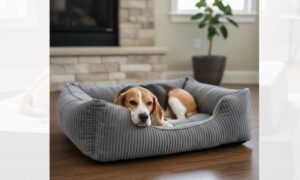

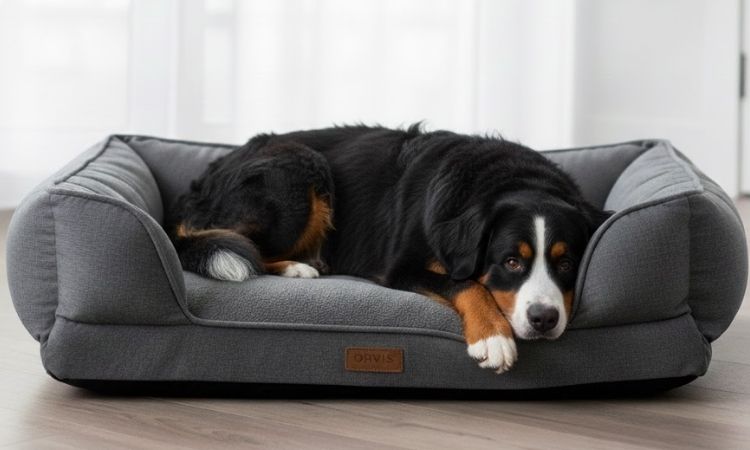
Hip dysplasia is one of the most common orthopaedic conditions in dogs, especially large breeds. This painful condition occurs when the hip joint doesn't develop properly, leading to instability, inflammation, and eventually arthritis. While veterinary treatment is essential, the right bed can significantly reduce daily discomfort and improve your dog's quality of life.
A proper orthopaedic bed keeps hips aligned, distributes weight evenly, and makes getting up and down less painful. Here's how to choose the best bed for a dog with hip dysplasia.
Quick Picks: Best Beds for Hip Dysplasia
| Bed | Best For | Price | Action |
|---|---|---|---|
| Big Barker 7" Orthopaedic | Overall Best | $$$ | Check Big Barker Orthopaedic |
| PetFusion Ultimate | Memory Foam Support | $$ | Check PetFusion Ultimate |
| FurHaven Orthopaedic Sofa | Best Value | $ | Check FurHaven Orthopaedic Sofa |
| K&H Ortho Thermo-Bed | Heat Therapy | $$ | Check K&H Ortho Thermo-Bed |
| Bully Beds Orthopaedic | Giant Breeds | $$$ | Check Bully Beds Orthopaedic |
| Kopeks Orthopaedic | Budget Large Dog | $$ | Check Kopeks Orthopaedic |
| BarksBar Orthopaedic | Mid-Range | $$ | Check BarksBar Orthopaedic |
Understanding Hip Dysplasia
Hip dysplasia is a developmental condition where the ball and socket of the hip joint don't fit together properly. Instead of sliding smoothly, the joint grinds, causing:
- Pain and discomfort
- Inflammation
- Cartilage damage
- Arthritis development
- Muscle wasting around hips
- Reduced mobility
Breeds most affected:
- German Shepherds
- Labrador Retrievers
- Golden Retrievers
- Rottweilers
- Great Danes
- Saint Bernards
- Bulldogs
- Mastiffs
However, hip dysplasia can affect any breed and even mixed breeds.
What Dogs with Hip Dysplasia Need in a Bed
Hip Alignment Support
The most critical factor. Proper support keeps the hip joint in alignment, reducing stress and pain. A bed that's too soft lets hips sag out of alignment, while proper orthopaedic foam maintains neutral positioning.
What to look for:
- High-density supportive foam
- Even weight distribution
- No sagging or hammocking
- Support that maintains shape over time
Pressure Point Relief
Hip dysplasia often causes dogs to favour certain positions to minimize pain. Quality foam that contours to the body reduces pressure on sensitive hip areas.
What to look for:
- Memory foam layer for contouring
- Even pressure distribution
- No hard spots or uneven surfaces
Easy Entry and Exit
Getting up is often the hardest and most painful movement for dogs with hip dysplasia. The bed shouldn't require jumping, climbing, or struggling.
What to look for:
- Low-profile design
- Step-on entry (not step-over)
- No high bolsters blocking access
- Ground-level or very low height
Adequate Size
Dogs with hip dysplasia often shift positions to find comfort. Too-small beds restrict movement and force uncomfortable positions.
What to look for:
- Room to fully stretch out
- Space to reposition without falling off
- Measure dog stretched out + 10-12 inches
Firmness Over Softness
Counter-intuitively, softer isn't better for hip dysplasia. Dogs need firm support that keeps their spine and hips aligned, not plush beds they sink into unevenly.
Best Dog Beds for Hip Dysplasia: Detailed Reviews
Best Overall: Big Barker 7" Orthopaedic Bed
Big Barker beds are specifically engineered for large dogs with joint issues and are frequently recommended by veterinarians for hip dysplasia. See our full Big Barker review.
What we love:
- 7 inches of therapeutic foam, calibrated by dog size
- Clinically shown to reduce joint pain and stiffness
- Maintains hip alignment while sleeping
- Doesn't flatten (10-year guarantee)
- Low-profile design for easy access
- Made specifically for large breeds
What could be better:
- Premium price point
- Large footprint
- Designed for larger dogs (50+ lbs)
Sizing: Large (48" x 30"), XL (52" x 36"), Giant (60" x 48")
Price: $$$
Best for: Large breeds with hip dysplasia, maximum support, long-term investment
Best Memory Foam: PetFusion Ultimate Dog Bed
PetFusion offers excellent memory foam support at a more accessible price point than ultra-premium options.
What we love:
- 4-inch memory foam base
- Excellent pressure point relief
- Supports hips while contouring to body
- Water-resistant liner
- Removable, washable cover
- Multiple sizes available
What could be better:
- Bolsters may impede some dogs
- Memory foam retains some heat
- May compress faster than premium beds
Sizing: Small to XXL
Price: $$
Best for: Mid-range budget, pressure relief focus, various sizes
Best Value: FurHaven Orthopaedic Sofa Bed
Solid orthopaedic support without the premium price tag. Great for owners wanting to try orthopaedic beds without major investment. See our FurHaven review.
What we love:
- Egg-crate orthopaedic foam
- Low front for easy entry
- Bolster for head support
- Machine washable cover
- Very affordable
- Wide size range
What could be better:
- Foam compresses over time
- Less support than premium options
- May need more frequent replacement
Sizing: Small to Jumbo Plus
Price: $
Best for: Budget option, starting point, mild to moderate hip dysplasia
Best with Heat Therapy: K&H Ortho Thermo-Bed
Heat improves circulation and eases joint stiffness, making heated beds beneficial for many dogs with hip dysplasia. See our heated beds guide.
What we love:
- Orthopaedic foam base
- Built-in heating element
- Thermostatically controlled (safe)
- Eases morning stiffness
- Removable heater for washing
- Low wattage operation
What could be better:
- Requires electrical outlet
- Cord management necessary
- May be too warm in summer
- Not for dogs who chew cords
Sizing: Small to Large
Price: $$
Best for: Dogs benefiting from heat therapy, cold climates, severe stiffness
Best for Giant Breeds: Bully Beds Orthopaedic
Giant breeds with hip dysplasia need beds that won't bottom out under their weight. Bully Beds are engineered for the heaviest dogs.
What we love:
- Ultra-dense foam for heavy dogs
- Won't flatten under giant breeds
- Maintains support long-term
- Removable, washable cover
- Designed for 100+ lb dogs
- Excellent hip support
What could be better:
- Premium pricing
- Very large footprint
- Limited color options
Sizing: Large, XL, XXL (up to 56" x 44")
Price: $$$
Best for: Great Danes, Mastiffs, Saint Bernards, giant breeds with hip dysplasia. See our Great Dane guide.
Best Budget Large Dog Option: Kopeks Orthopaedic Dog Bed
For owners of large dogs on a tighter budget, Kopeks offers decent orthopaedic support without premium pricing.
What we love:
- Memory foam construction
- Available in large sizes
- Waterproof liner
- Removable, washable cover
- More affordable than premium brands
- Decent support for the price
What could be better:
- May compress faster than premium beds
- Quality control varies
- Not as durable long-term
Sizing: Large to Jumbo
Price: $$
Best for: Budget-conscious owners of large dogs, trying orthopaedic beds
Best Mid-Range Option: BarksBar Orthopaedic Dog Bed
A solid middle-ground option balancing support, quality, and price.
What we love:
- Solid orthopaedic foam base
- Cotton-padded rim for head support
- Removable, washable cover
- Non-slip bottom
- Good construction quality
- Reasonable pricing
What could be better:
- Rim may be challenging for some dogs
- Mid-tier foam quality
- Compression over time
Sizing: Medium to XL
Price: $$
Best for: Medium to large dogs, balanced needs, mid-range budget
How Hip Dysplasia Affects Sleeping
Understanding how hip dysplasia impacts rest helps you choose the right bed:
Difficulty Lying Down
The motion of lowering onto a bed stresses the hip joint. Dogs may:
- Circle multiple times before lying down
- Lower themselves slowly and carefully
- Collapse rather than lie down gracefully
- Avoid lying down frequently
Bed solution: Low-profile beds that don't require awkward positioning
Difficulty Rising
Getting up requires pushing with the hind legs, stressing dysplastic hips. Dogs may:
- Struggle to stand
- Use front legs more than rear
- Be very stiff after rest
- Avoid getting up unnecessarily
Bed solution: Supportive foam that provides leverage, not soft beds that are hard to push up from
Position Changes
Dogs may frequently shift trying to find a comfortable position. They need:
- Enough space to reposition
- Consistent support across the bed
- No uncomfortable spots or edges
Temperature Sensitivity
Joint inflammation can make dogs seek cool surfaces, while stiffness may improve with warmth. Watch your dog's preferences:
- Seeking cool floors = may benefit from cooling bed
- Stiff in cold weather = may benefit from heated bed
Breeds Most Prone to Hip Dysplasia
These breeds should consider orthopaedic beds proactively:
| Breed | Hip Dysplasia Risk | Bed Guide | Action |
|---|---|---|---|
| German Shepherd | Very High | Guide | |
| Labrador Retriever | High | Guide | |
| Golden Retriever | High | Guide | |
| Rottweiler | High | Coming soon | |
| Great Dane | High | Guide | |
| Bulldog | Moderate-High | Coming soon | |
| Boxer | Moderate | Guide |
Complementary Care for Hip Dysplasia
The right bed is part of a comprehensive approach:
Veterinary Care
- Proper diagnosis and staging
- Pain medication as needed
- Anti-inflammatory treatment
- Surgical options for severe cases
Weight Management
- Extra weight dramatically worsens hip dysplasia
- Keep your dog lean
- Work with your vet on ideal weight
Exercise
- Low-impact exercise maintains muscle
- Swimming is excellent
- Avoid jumping and rough play
- Short, frequent walks over long ones
Supplements
- Glucosamine and chondroitin
- Omega-3 fatty acids
- Green-lipped mussel
- Discuss options with your vet
Home Modifications
- Non-slip flooring or rugs
- Ramps instead of stairs
- Elevated food and water bowls
- Easy access to favorite spots
Frequently Asked Questions
What firmness should a bed be for hip dysplasia?
Medium-firm to firm. The bed should support weight without excessive sinking. Too-soft beds let hips sag out of alignment, worsening discomfort.
Is memory foam good for dogs with hip dysplasia?
Yes, quality memory foam is excellent. It contours to the body while providing support, distributing weight evenly and reducing pressure on hips.
How thick should an orthopaedic bed be?
Minimum 4 inches of quality foam. For large dogs or severe hip dysplasia, 6-7 inches is ideal. The dog should never "bottom out" to the floor.
Should I get a heated bed for hip dysplasia?
Heat can help by improving circulation and reducing stiffness. Many dogs with hip dysplasia benefit from warmth, especially in cold weather or mornings.
Are elevated beds good for hip dysplasia?
Elevated beds can work because they're easy to step onto without bending. However, they lack cushioning. Consider adding an orthopaedic pad on top.
Can a good bed really help with hip dysplasia?
Yes. Proper support reduces stress on the hip joint, maintains alignment during sleep, and makes getting up and down easier. It's not a cure but significantly improves daily comfort.
When should I get an orthopaedic bed for my at-risk breed?
Consider orthopaedic beds proactively for at-risk breeds from young adulthood. Prevention and early support can help maintain joint health.
Final Thoughts
Hip dysplasia is a challenging condition, but the right bed can meaningfully improve your dog's daily comfort. Focus on:
- Proper support that maintains hip alignment
- Easy access with low-profile design
- Quality foam that won't flatten over time
- Adequate size for repositioning
Combined with veterinary care, weight management, and appropriate exercise, an orthopaedic bed helps dogs with hip dysplasia live more comfortable lives.
For more options, see our orthopaedic beds guide, arthritis beds guide, memory foam beds guide, and senior dogs guide.
Looking for breed-specific guides? See our recommendations for German Shepherds, Labradors, Golden Retrievers, and Great Danes.
We’ve paused the on-page review box for now because we were getting too many spam submissions. If you’d like to share your experience, please send it through our contact form and I’ll add it manually. Thanks for understanding — genuine feedback really helps other dog owners. John Henry