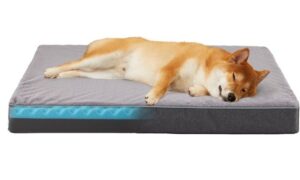


You have seen it countless times. Your dog circles their bed, scratches at it vigorously, paws at the fabric, maybe even digs into it before finally settling down.
It looks strange. Sometimes destructive. But it is completely normal dog behaviour with deep evolutionary roots.
Here is why dogs scratch their beds and what you can do if it becomes problematic.
The Short Answer
Dogs scratch their beds because of instinct. Wild canines dig to create comfortable sleeping spots, regulate temperature, mark territory, and feel secure. Your domesticated dog still carries these instincts even though they have a perfectly good bed.
This behaviour is normal, natural, and usually nothing to worry about.
6 Reasons Dogs Scratch and Dig at Their Beds
1. Creating a Comfortable Spot
In the wild, dogs would dig to create a depression in the ground that fits their body shape. This "nest" provides:
Comfort: A contoured space that supports their body Protection: Slight walls around them for security Temperature: Cooler earth beneath in summer, warmer insulated space in winter
Your dog scratches their bed trying to shape it into that perfect contour, even though modern beds do not really work that way.
2. Temperature Regulation
Wild dogs dig to reach cooler soil in hot weather and create insulated dens in cold weather.
Your dog may be:
- Scratching to "cool down" the surface before lying on it
- Moving blankets to regulate warmth
- Trying to find a cooler or warmer layer
This is especially common in:
- Dogs with thick coats
- Dogs in very warm or cold rooms
- Breeds from extreme climates (Huskies, Malamutes, etc.)
3. Marking Territory
Dogs have scent glands in their paw pads. When they scratch their bed, they deposit their scent.
This says: "This is my spot. I was here. This belongs to me."
In multi pet households, you may notice more scratching behaviour as dogs mark their sleeping areas as their own.
4. Nesting Instinct
Female dogs especially may exhibit "nesting" behaviour where they arrange and rearrange their sleeping space. This instinct prepares for puppies even if your dog is spayed.
Signs of nesting behaviour:
- Circling many times before lying down
- Moving blankets and bedding around
- Scratching and digging to arrange the space
- Seeming particular about bed position
Nesting often increases with age and can happen in males too, though less commonly.
5. Anxiety or Stress
While scratching is normal, excessive scratching can indicate anxiety. Watch for:
- Scratching that goes on for many minutes
- Unable to settle after scratching
- Scratching in new environments
- Scratching combined with panting, whining, or pacing
If scratching seems excessive or anxious rather than purposeful, there may be underlying stress.
6. Hiding or Burying Behaviour
Some dogs try to "bury" toys or treats in their beds. The scratching motion mimics digging a hole to hide something valuable.
If your dog scratches, drops something on the bed, then scratches more, they are trying to bury their treasure.
Is Scratching Normal?
Yes, in most cases scratching is completely normal. Most dogs scratch or dig at their beds at least occasionally.
Normal Scratching Looks Like:
- Lasts a few seconds to a minute
- Dog settles down afterward
- Happens before sleep or naps
- Dog seems relaxed during and after
Concerning Scratching Looks Like:
- Continues for many minutes without stopping
- Dog cannot settle afterward
- Accompanied by anxiety signs (panting, whining)
- Results in destructive damage regularly
- Happens constantly, not just at bedtime
If scratching seems obsessive or anxious, consult your vet to rule out anxiety, pain, or other issues.
Why Some Dogs Scratch More Than Others
Breed Tendencies
Some breeds have stronger digging instincts:
High Diggers:
- Terriers (bred to dig for prey)
- Dachshunds (bred to dig into burrows)
- Huskies and Malamutes (dig for temperature)
- Beagles (dig to follow scent)
Lower Diggers:
- Brachycephalic breeds (Bulldogs, Pugs)
- Giant breeds (less energy for digging)
- Some toy breeds
Age Factors
Puppies often scratch more as they learn the behaviour. Senior dogs may scratch more due to:
- Arthritis making positioning harder
- Temperature regulation difficulties
- Comfort seeking behaviour
Individual Personality
Some dogs are simply more "fussy" about their beds. They need everything just right before sleeping. Others flop down anywhere without any preparation.
When Scratching Becomes Destructive
The problem is not the scratching. The problem is when scratching destroys beds.
Why Beds Get Destroyed
- Sharp nails tear fabric and foam
- Intense scratching rips seams
- Repeated behaviour wears through materials
- Fabric type matters (some tear easily)
Solutions for Destructive Scratching
Trim nails regularly Short nails cause less damage. Trim every 2 to 4 weeks or as needed.
Choose durable bed materials Some fabrics resist scratching better:
- Canvas
- Denim
- Ballistic nylon
- Ripstop fabrics
Avoid delicate materials like fleece or thin covers.
Consider elevated beds Elevated beds with taut fabric give nothing to dig into. Dogs may still paw at them but cause less damage.
Read more: Best Elevated Dog Beds
Choose chew proof beds If scratching leads to chewing and destruction, chew proof beds solve both problems.
Read more: Best Chew Proof Dog Beds
Provide appropriate outlets Give dogs something they CAN dig in:
- Sandbox for digging (outdoor)
- Blankets they can arrange
- Designated digging area
Add a blanket layer A removable blanket on top of the bed gives dogs something to scratch and arrange without damaging the bed itself.
Related Behaviours
Circling Before Lying Down
Dogs often circle before settling. This flattens grass, checks for dangers, and positions them for quick escape if needed. Perfectly normal.
Digging at Floors
If your dog scratches hard floors, they may be:
- Too hot and seeking cooler surface
- Trying to dig a sleeping spot
- Bored and exercising instinct
Provide a cool mat or appropriate bed.
Moving Blankets and Toys
Arranging the sleep space is normal nesting behaviour. Let them rearrange within reason.
Scratching Before Going Outside
Dogs who scratch at doors or floors before going out may need the bathroom or have excess energy. Different from bed scratching.
How to Reduce Excessive Scratching
If scratching bothers you or damages beds:
1. Exercise Before Bed
Tired dogs settle faster with less scratching. A walk or play session before bed helps.
2. Create the Perfect Environment
If dogs scratch to regulate temperature, help them:
- Cooling mat for hot dogs
- Heated bed for cold dogs
- Good room temperature
3. Provide the Right Bed Type
Some dogs scratch because the bed is not right for them:
- Try different styles (bolster, flat, nest)
- Ensure correct size
- Check foam firmness
4. Blanket Satisfaction
Adding a loose blanket gives dogs something to scratch, dig, and arrange. This satisfies the instinct without damaging the bed.
5. Rule Out Medical Issues
Excessive scratching can indicate:
- Arthritis (hard to get comfortable)
- Skin issues (general scratching)
- Anxiety disorders
- Cognitive decline in seniors
If behaviour changes suddenly or seems excessive, consult your vet.
Understanding Your Dog's Behaviour
Watching your dog's bedtime routine tells you about them:
The Circles: Your dog checks the area and positions for comfort and safety.
The Scratches: They are creating their perfect spot, marking it as theirs, and adjusting temperature.
The Flop: Finally comfortable and ready to rest.
This ritual connects your pampered pet to their wild ancestors. It is instinct expressing itself in your living room.
Beds That Handle Scratching Well
If your dog is a heavy scratcher, choose beds designed to withstand it:
Most Scratch Resistant
- K9 Ballistics Chew Proof - Ballistic fabric handles claws well
- Elevated Beds - Nothing to dig into
- Canvas covered beds - Durable material
- Orvis ToughChew - Designed for rough use
Beds to Avoid for Scratchers
- Thin fleece covers
- Exposed foam
- Delicate fabrics
- Cheap thin materials
Frequently Asked Questions
Why does my dog scratch the bed before lying down?
Instinct. Wild dogs dig to create comfortable, temperature regulated, scent marked sleeping spots. Your dog carries this instinct even though they have a modern bed.
Should I stop my dog from scratching the bed?
Usually no. It is natural behaviour that helps dogs settle. Only address it if scratching is excessive (anxiety related) or destroying beds (use tougher materials).
Why does my dog scratch more at night?
Bedtime triggers the settling instinct. Dogs naturally prepare their sleeping spot more thoroughly for overnight sleep versus quick naps.
My dog suddenly started scratching more. Why?
Sudden changes may indicate:
- New stress or anxiety
- Temperature changes in the house
- Arthritis or pain making comfort harder
- Cognitive changes in senior dogs
If the change is dramatic, consult your vet.
Why does my dog dig at my bed?
Same instinct, different location. Your bed smells like you (safe and comforting). They are creating a comfortable spot in a place that feels secure.
Does scratching mean my dog does not like their bed?
Not necessarily. Dogs scratch beds they love. However, if scratching is excessive and they never settle, the bed may not suit them. Try a different style or size.
The Bottom Line
Dogs scratch their beds because of deep instincts passed down from wild ancestors. It is normal, natural, and usually nothing to worry about.
Key points:
Scratching is instinct for comfort, temperature, territory, and security.
Most dogs scratch occasionally and this is perfectly normal.
Excessive scratching may indicate anxiety or discomfort.
Prevent destruction with trimmed nails and durable bed materials.
Let dogs have their ritual because it helps them feel safe and settled.
The next time your dog circles, scratches, and digs before flopping down, know that they are following millions of years of canine instinct. It is their way of making their bed just right.
Related Articles:
We’ve paused the on-page review box for now because we were getting too many spam submissions. If you’d like to share your experience, please send it through our contact form and I’ll add it manually. Thanks for understanding — genuine feedback really helps other dog owners. John Henry