
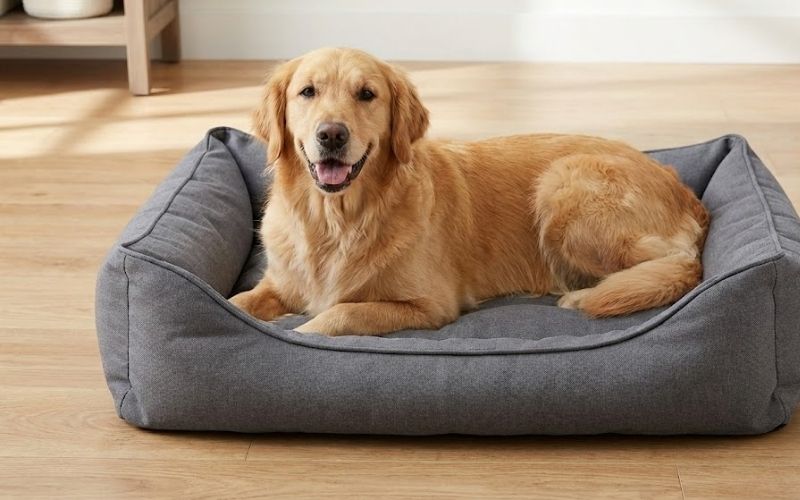
With 6 dogs, I wash a lot of dog beds.
Between mud, drool, shedding, and the occasional accident, dog beds get dirty fast. But cleaning them properly extends their life and keeps your dog healthy.
Here's exactly how to clean every type of dog bed—from quick freshening to deep cleaning—based on years of experience.
Quick Answer: How Often to Clean
| Cleaning Type | Frequency | Action |
|---|---|---|
| Vacuum/brush hair | Weekly | |
| Wash removable cover | Every 1-2 weeks | |
| Deep clean entire bed | Monthly | |
| Wash waterproof liner | Monthly | |
| Replace bed | Every 1-5 years (depends on quality) |
For heavy shedders or dogs who go outside frequently: Clean more often.
How to Clean a Dog Bed With Removable Cover
Most quality dog beds have removable, machine-washable covers. This is the easiest type to clean.
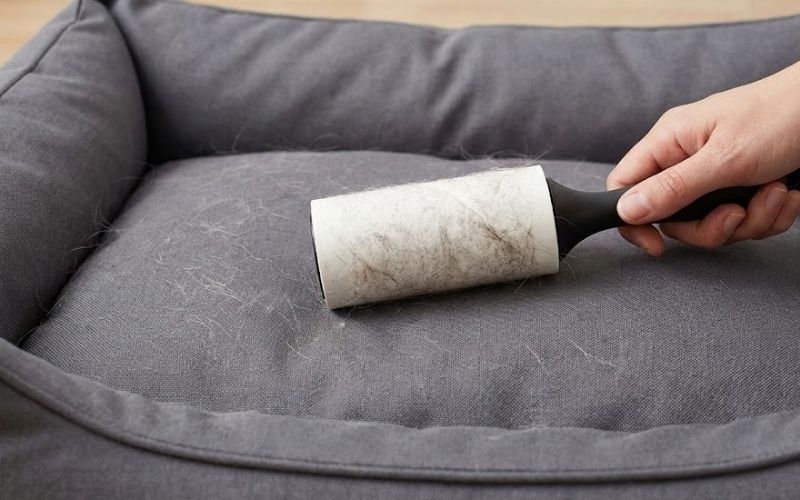
Step 1: Remove Loose Hair and Debris
Before washing:
- Take the bed outside if possible
- Shake vigorously to remove loose hair and dirt
- Use a lint roller or vacuum to remove remaining hair
- Check for any stuck-on debris and remove
Pro tip: A rubber glove rubbed over the fabric picks up hair surprisingly well.
Step 2: Pre-Treat Stains
For stains (mud, drool, urine):
- Mix mild detergent with water
- Apply to stain and let sit 10-15 minutes
- Gently scrub with soft brush
- Blot (don't rub) with clean cloth
For urine: Use an enzyme cleaner specifically designed for pet accidents. Regular detergent won't fully eliminate odours.
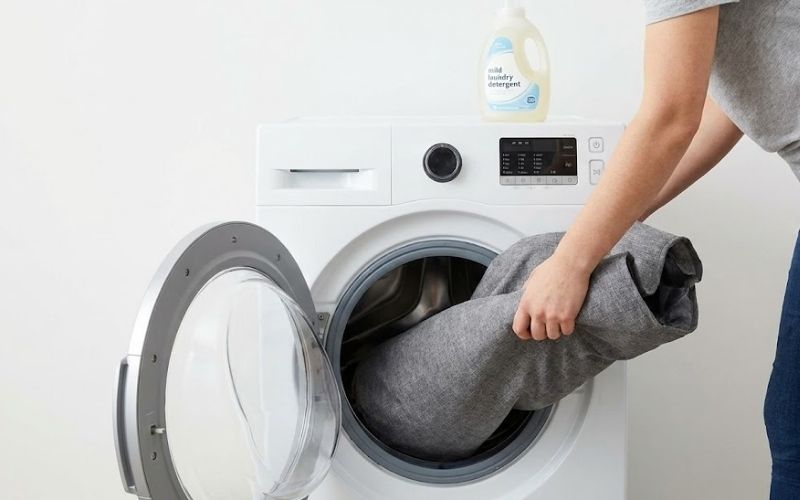
Step 3: Remove and Wash the Cover
- Unzip and remove the cover
- Check the care label for specific instructions
- Wash on gentle/delicate cycle
- Use cold or warm water (hot can shrink fabric)
- Use pet-safe, mild detergent
- No fabric softener (can irritate dog skin and reduce absorbency)
Step 4: Dry the Cover
Best method: Tumble dry on low heat
Alternative: Air dry (takes longer but gentler on fabric)
Important: Ensure completely dry before putting back on. Damp covers can develop mould.
Step 5: Clean the Foam/Insert
Most foam inserts cannot be machine washed. Instead:
- Vacuum the foam to remove hair and dust
- Spot clean stains with mild detergent and water
- Sprinkle baking soda over surface, let sit 15-30 minutes, then vacuum
- Air out in sunshine if possible (UV kills bacteria)
If foam gets wet: Allow to air dry completely (may take 24-48 hours). Use a fan to speed drying.
Step 6: Reassemble
Once everything is completely dry:
- Put the liner back on the foam (if applicable)
- Insert foam into cover
- Zip closed
- Fluff and shape as needed

How to Clean a Dog Bed Without Removable Cover
Some beds don't have removable covers. These require different approach.
Option 1: Spot Cleaning (Light Dirt)
- Vacuum thoroughly to remove hair
- Mix mild detergent with warm water
- Dip cloth in solution and wring out well
- Wipe down the entire surface
- Use clean, damp cloth to remove soap residue
- Allow to air dry completely
Option 2: Deep Cleaning (Heavy Dirt)
- Vacuum thoroughly
- Fill bathtub with warm water and pet-safe detergent
- Submerge bed and squeeze repeatedly (don't twist or wring)
- Drain dirty water
- Refill with clean water and rinse thoroughly
- Press out excess water (don't wring)
- Air dry completely (may take 24-48 hours)
Warning: Only do this if the bed can handle being submerged. Check manufacturer guidelines.
Option 3: Machine Washing (If Applicable)
Some smaller beds without removable covers can go in the washing machine:
- Check the care label
- Use large/commercial washer if needed
- Wash on gentle cycle with cold water
- Use mild, pet-safe detergent
- Run extra rinse cycle to remove all soap
- Tumble dry on low or air dry
Important: Not all beds can be machine washed. When in doubt, spot clean instead.
How to Clean Specific Bed Types
Memory Foam Dog Beds
Memory foam should never be machine washed or submerged. Water damages the foam structure.
To clean:
- Remove and wash the cover separately
- Vacuum the foam
- Spot clean stains with damp cloth
- Sprinkle with baking soda, wait 30 minutes, vacuum
- Air out in sunshine to kill bacteria and odours
If foam gets soaked (accidents):
- Blot up as much moisture as possible
- Press towels into foam to absorb
- Sprinkle with baking soda
- Use fans to speed drying
- May take 2-3 days to fully dry
Prevention: Use a waterproof liner under the cover.
Elevated/Cot-Style Beds
These are the easiest to clean:
- Remove any padding and wash separately
- Wipe down the frame with damp cloth
- Hose down the fabric (if outdoor-safe material)
- Allow to air dry (usually dries quickly)
For K9 Ballistics and similar chew-proof beds, just hose them down—they're designed for easy cleaning.
Bolster/Sofa Beds
Beds with bolsters can be tricky because the bolsters have stuffing:
- Remove main cover if possible
- Vacuum bolsters thoroughly
- Spot clean bolster fabric
- If bolsters are removable, check if they're washable
- Some bolster covers can be washed separately
Donut/Calming Beds
The plush fabric on calming beds collects a lot of hair:
- Use lint roller or rubber glove to remove hair first
- Check if entire bed is machine washable (many are)
- Wash on gentle cycle, cold water
- Tumble dry on low
- Fluff after drying to restore shape
Heated Dog Beds
Never submerge heated beds or put in washing machine. The electrical components will be damaged.
- Unplug and allow to cool
- Remove any washable covers
- Wipe down heating element area with damp cloth only
- Ensure completely dry before plugging back in
Cleaning Products: What to Use (and Avoid)
Safe to Use ✅
- Mild, unscented laundry detergent
- Pet-safe detergents (designed for pet bedding)
- Enzyme cleaners (for urine/biological stains)
- Baking soda (deodorising)
- White vinegar (diluted, for odours)
- Hydrogen peroxide (diluted, for stains—test first)
Avoid ❌
- Fabric softener (irritates skin, reduces absorbency)
- Bleach (too harsh, can damage fabric and irritate skin)
- Strong fragrances (dogs have sensitive noses)
- Essential oils (many are toxic to dogs)
- Dryer sheets (leave residue that can irritate)
Dealing with Specific Problems
Dog Bed Smells Bad
Even clean beds can develop odours over time.
Quick fix:
- Sprinkle baking soda liberally over bed
- Let sit for 30 minutes to several hours
- Vacuum thoroughly
Deeper fix:
- Wash cover with 1/2 cup white vinegar added to rinse cycle
- Air foam in direct sunlight (UV kills odour-causing bacteria)
- Consider an enzyme cleaner for persistent smells
Prevention: Wash covers weekly, air out foam monthly.
Urine Accidents
Act quickly—urine soaks in fast and gets harder to remove.
Immediately:
- Blot up as much as possible with paper towels
- Don't rub—press firmly and blot
- Apply enzyme cleaner according to directions
- Let enzyme cleaner work for recommended time
For foam:
- Remove cover immediately
- Blot foam with towels
- Apply enzyme cleaner to foam
- Allow to dry completely (use fans)
- This is why waterproof liners are worth it
Enzyme cleaners are essential. Regular detergent doesn't break down urine proteins, so the smell returns.
Flea Treatment
If your dog has had fleas:
- Wash all bedding in hot water (if fabric allows)
- Dry on highest heat setting safe for fabric
- Vacuum foam thoroughly
- Consider using flea spray designed for pet bedding
- Vacuum surrounding area (fleas live in carpets too)
- Repeat weekly until flea problem is resolved
Mould or Mildew
If bed got wet and wasn't dried properly:
- Take bed outside
- Brush off visible mould
- Mix equal parts water and white vinegar
- Spray affected areas
- Scrub gently with brush
- Rinse thoroughly
- Dry completely in direct sunlight
For severe mould: The bed may need to be replaced. Mould can be harmful to dogs.
How to Keep Dog Beds Cleaner, Longer
Prevention Tips
- Wipe paws before your dog comes inside
- Brush your dog regularly to reduce shedding
- Use a waterproof liner under the cover
- Have two covers so one can be washing while other is in use
- Vacuum bed weekly to prevent dirt buildup
- Wash covers before they look dirty (prevent buildup)
Extend Bed Life
- Follow care instructions exactly
- Don't over-wash (wears out fabric faster)
- Air dry when possible (gentler than machine drying)
- Keep nails trimmed (prevents snags and tears)
- Rotate the bed so wear is distributed evenly
Cleaning Schedule Template
Here's what I do with our 6 dogs:
Weekly
- Vacuum all beds
- Brush off loose hair
- Spot clean any visible stains
Every 2 Weeks
- Wash all removable covers
- Wipe down elevated bed frames
Monthly
- Deep clean foam with baking soda
- Wash waterproof liners
- Air beds in sunshine (weather permitting)
Quarterly
- Inspect beds for damage
- Check foam for compression
- Replace if needed
When Cleaning Won't Help: Time to Replace
Sometimes a bed is beyond cleaning:
- Foam has permanently flattened
- Persistent odours that won't go away
- Visible mould that can't be removed
- Tears or holes in cover or foam
- Dog no longer uses it
Read more: When to Replace Your Dog's Bed
Quick Reference: Cleaning Cheat Sheet
| Bed Part | Can Machine Wash? | How to Clean | Action |
|---|---|---|---|
| Removable cover | Usually yes | Gentle cycle, cold water, mild detergent | |
| Memory foam | NO | Vacuum, spot clean, baking soda | |
| Waterproof liner | Check label | Usually machine washable | |
| Bolsters (attached) | NO | Vacuum, spot clean | |
| Elevated bed frame | NO | Wipe down with damp cloth | |
| Elevated bed fabric | Some yes | Hose down or spot clean |
Summary
The basics:
- Vacuum/brush weekly to remove hair
- Wash removable covers every 1-2 weeks
- Spot clean foam—never submerge
- Use mild, pet-safe detergent
- Ensure everything is completely dry before reassembling
The key to success: Clean regularly before dirt builds up. It's easier to maintain a clean bed than to rescue a filthy one.
Your dog spends 12-14 hours a day on their bed. A clean bed means a healthier, happier dog.
Questions about cleaning your specific bed type? Contact me—happy to help!
Related Articles:
- When to Replace Your Dog's Bed
- Dog Bed Size Guide
- Best Washable Dog Beds
- Best Dog Beds 2025: Complete Guide
Top reviews
We’ve paused the on-page review box for now because we were getting too many spam submissions. If you’d like to share your experience, please send it through our contact form and I’ll add it manually. Thanks for understanding — genuine feedback really helps other dog owners. John Henry